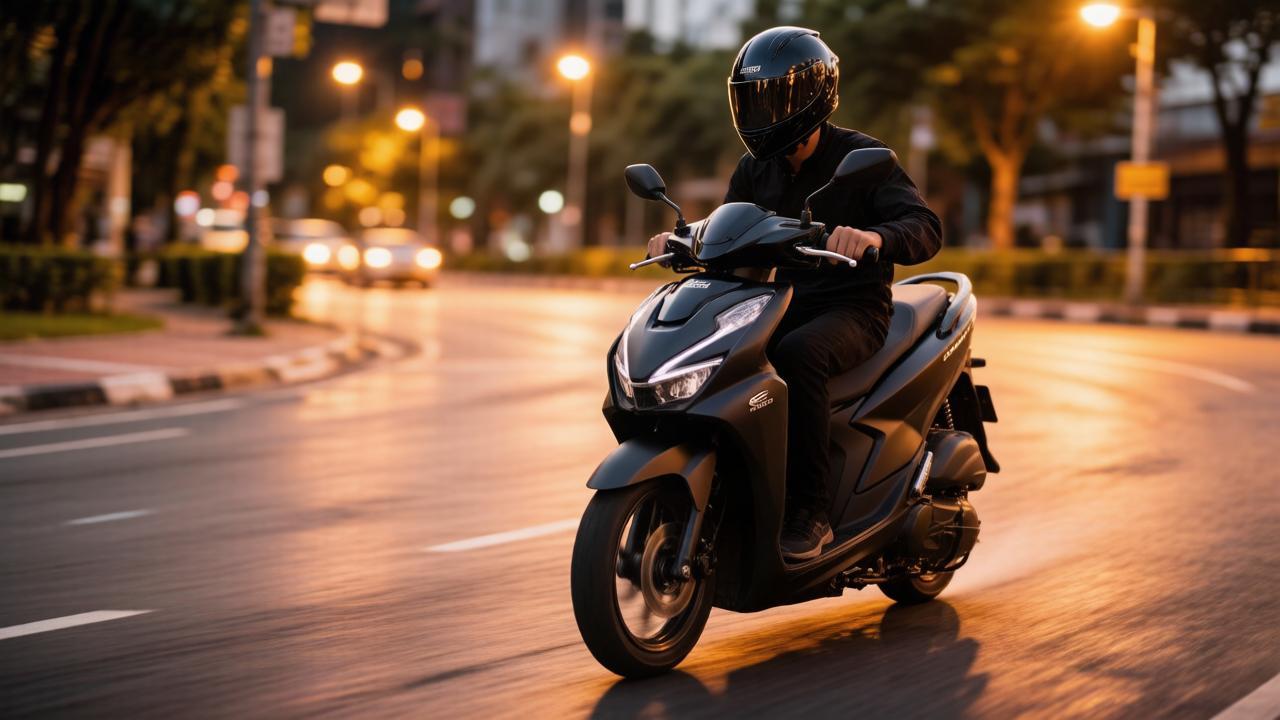
Executing high-velocity operational transits through a dense metropolitan matrix requires a mechanical asset optimized for immediate power delivery, low structural mass, and razor-sharp steering angles. Urban traffic ecologies are intrinsically hostile to heavy, wide platforms that cannot exploit rapidly closing gaps between gridlocked vehicles. As commuter corridors become increasingly saturated, high-performance lightweight engineering emerges as the definitive solution for independent riders who refuse to compromise their schedule. The development of high-displacement automatic platforms has shifted the paradigm of city commuting, establishing a new classification of street-combat machinery designed specifically to dictate the pace of urban asphalt tracking.
For international exploration teams and technical solo operators establishing a base of operations in Northern Thailand, selecting the proper mobility asset is the foundational step of the entire campaign. Attempting to navigate complex urban grids via heavy transport options introduces massive logistical delays and exposes your schedule to unpredictable traffic bottlenecks. Securing a verified machine through a professional chiang mai scooter rental network provides instantaneous operational flexibility, bypassing bureaucratic transit delays and placing an agile, unthrottled platform directly at your command. Among the available modern fleet variants, the Honda Click 160 has quickly risen to dominance, offering an aggressive power-to-weight balance that alters your tracking capability inside dense municipal perimeters.
What specific structural evolution allows this platform to manage high-velocity structural loading without experiencing frame flex during sudden directional changes?
[RIDER_RESPONSE]
The foundational secret lies within the deployment of the Smart Architecture Frame (eSAF) infrastructure. Moving entirely away from traditional heavy cylindrical steel tubing networks, Honda utilizes high-tensile pressed steel plates laser-welded along optimal structural lines. This architectural shift creates a frame that is significantly lighter than previous generations while simultaneously improving torsional rigidity by double digits. When a rider applies rapid counter-steering inputs to avoid an unexpected road hazard at maximum legal velocity, the chassis tracks instantly without translating lateral wobble down the centerline of the machine.
The operational layout of the powertrain relies heavily on the latest iteration of the enhanced Smart Power Plus (eSP+) four-valve liquid-cooled engine block. Boasting a precise 156.9cc displacement, this short-stroke configuration is deliberately tuned to generate violent initial acceleration between zero and sixty kilometers per hour. By incorporating hydraulic cam chain tensioners—a mechanical detail typically reserved for high-displacement supersport powerplants—the engine eliminates internal timing chain play, drastically reducing mechanical noise and preserving crisp valve timing accuracy over thousands of high-intensity duty cycles.
How does the specific wheel geometry and braking architecture influence tracking safety when navigating high-friction asphalt mixed with variable tropical weather factors?
[RIDER_RESPONSE]
The vehicle utilizes wider rim sections compared to traditional commuter variants, mounting a substantial 100/80-14 front tire paired with an aggressive 120/70-14 rear tire footprint. This expanded contact patch ensures a broader mechanical grip zone when leaning deep into urban intersection sweepers. Stopping operations are managed by a front hydraulic disc circuit monitored by a dedicated single-channel Anti-lock Braking System (ABS). During emergency deceleration sweeps on slick concrete markings or oil-contaminated pavement, the ABS computing module dynamically pulses the caliper hydraulic pressure, ensuring the front tire preserves traction and maintains total steering tracking capability.
Thermal management remains a crucial factor when operating mechanical hardware in tropical environmental zones. Traditional air-cooled scooters experience immediate power output drops as internal core temperatures spike under prolonged stop-and-go idling sequences. The Click 160 combats this via an optimized vertical radiator placement that maximizes ambient airflow draw through the front cowl design. The internal water jacket wrapping the combustion chamber absorbs localized thermal energy, transferring it away from critical engine seals and ensuring your throttle response remains linear and powerful throughout midday transit blocks.
What are the real-world utility limitations regarding storage volume and cockpit electronics when evaluating this platform for long-range tactical operations?
[RIDER_RESPONSE]
The under-seat utility bay offers an 18-liter storage volume capacity. While this easily swallows a standard open-face helmet or essential maintenance kits, it will not accommodate larger full-face racing equipment or extensive overlander tool rolls. To compensate, the front apron features an integrated console box equipped with a built-in USB charging port, allowing riders to maintain telemetry hardware and mobile navigation arrays without installing bulky external power wiring. The digital control dash provides clean, high-contrast metrics tracking real-time fuel efficiency, battery output voltage, and service milestone intervals.
Ultimately, navigating the concrete grid requires a machine that responds to inputs without hesitation or mechanical lag. The integration of high-tensile frame materials, an enhanced high-revving four-valve powerplant, and a stabilized electronic safety matrix positions this machine as a premier tool for rapid municipal transit. By stripping away extraneous weight and maximizing structural efficiency, the Honda Click 160 delivers a precise, high-performance urban tracking experience that gives riders complete mastery over the dynamic traffic ecology of the northern capital.